Material Guide
A comparison of common vinyl wrap materials used within the itasha community.
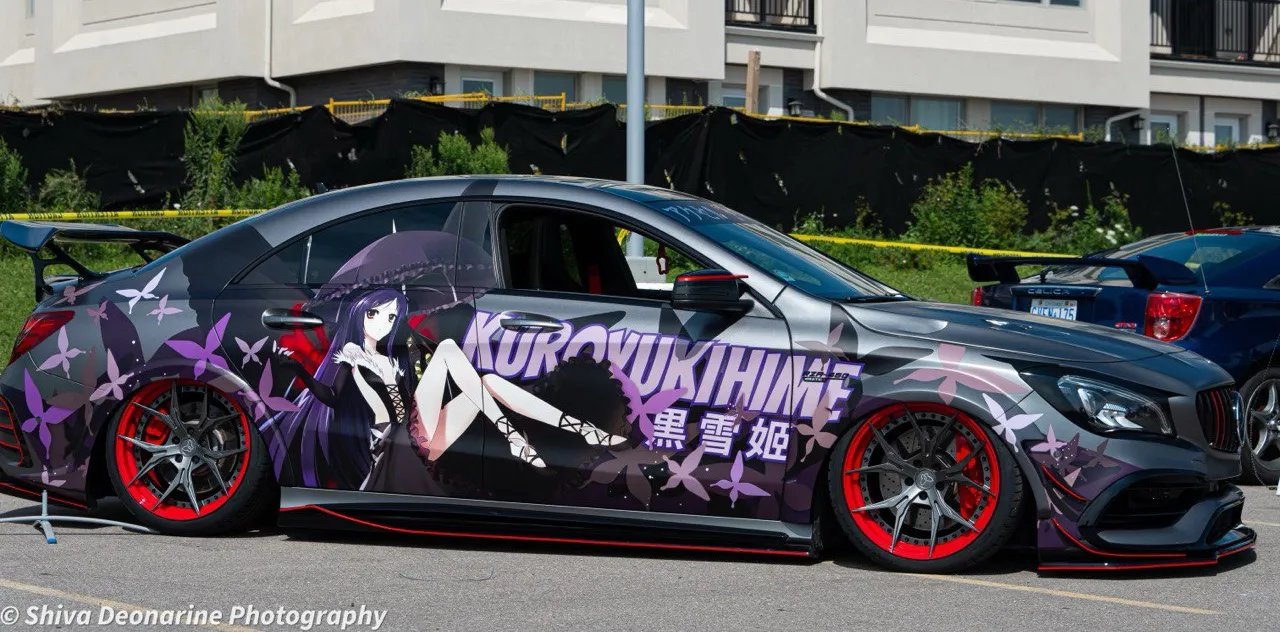
Cast Vinyl (PVC)
$$–$$$Overlaminate is essential — without it, printed graphics can fade within a year of hard outdoor parking.
- Standard base film for full itasha wraps
- Fully opaque — hides base paint colour
- Highly conformable on complex curves
- Air-release channels aid repositioning during install
- Higher cost than calendered or PET
- Printed graphics fade quickly without overlaminate
The standard base film for full itasha wraps.
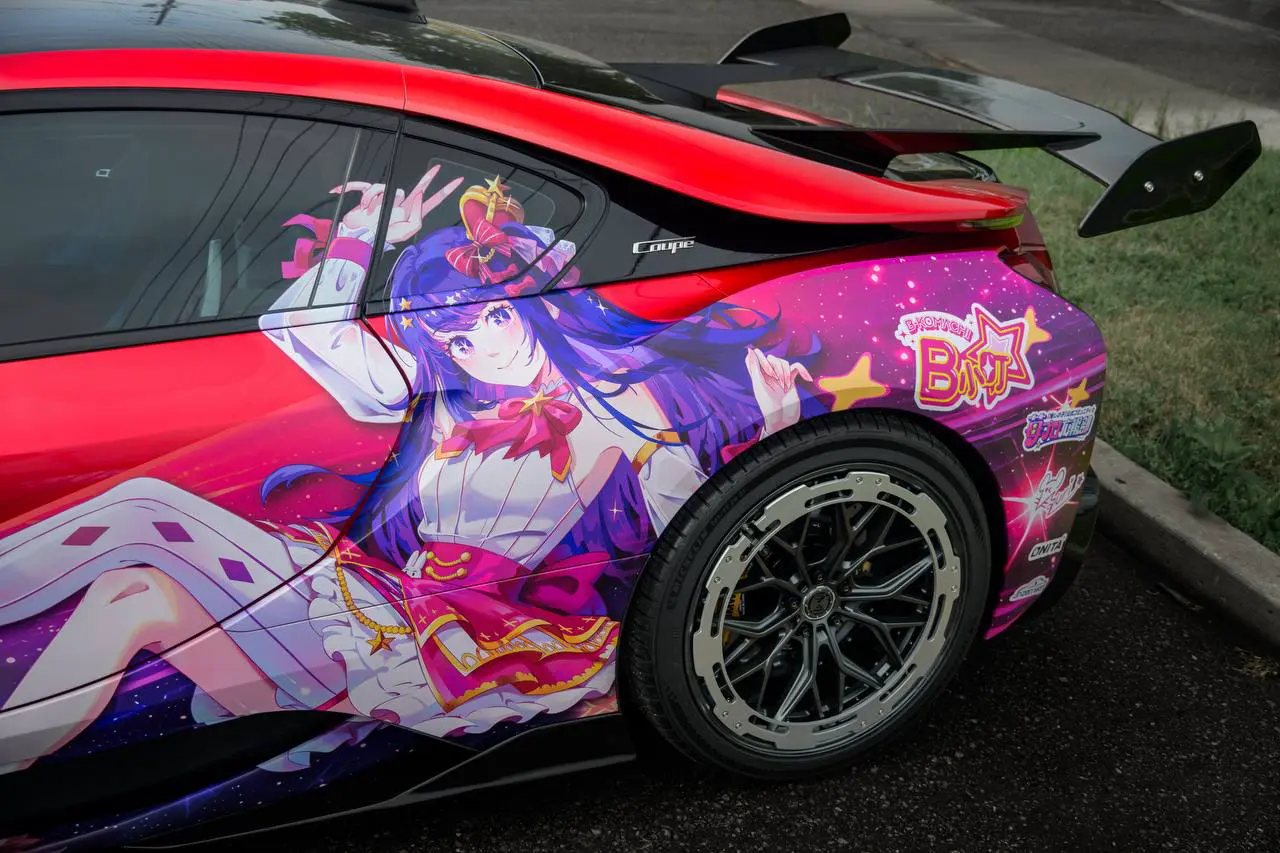
UV-Printed PPF
$$$–$$$$UV-cured inks are photo-stabilized — printed graphics hold colour exceptionally well. Note: unprinted/clear areas of the PPF may yellow over time, but this does not affect the itasha artwork.
- Protection and graphics in one film
- Better debris resistance than vinyl alone
- Preserves original paint
- Design can be printed on one layer to prevent thin designs (like hair) to peel off after a car wash
- Less rock chip protection than full-thickness PPF
- Self-healing largely lost — topcoat modified to accept ink
- Unprinted areas can yellow, creating a two-tone aging effect
- Fewer experienced installers, as it requires a very clean installation environment and careful handling
Raw surface is matte — overlaminate needed for gloss or satin.
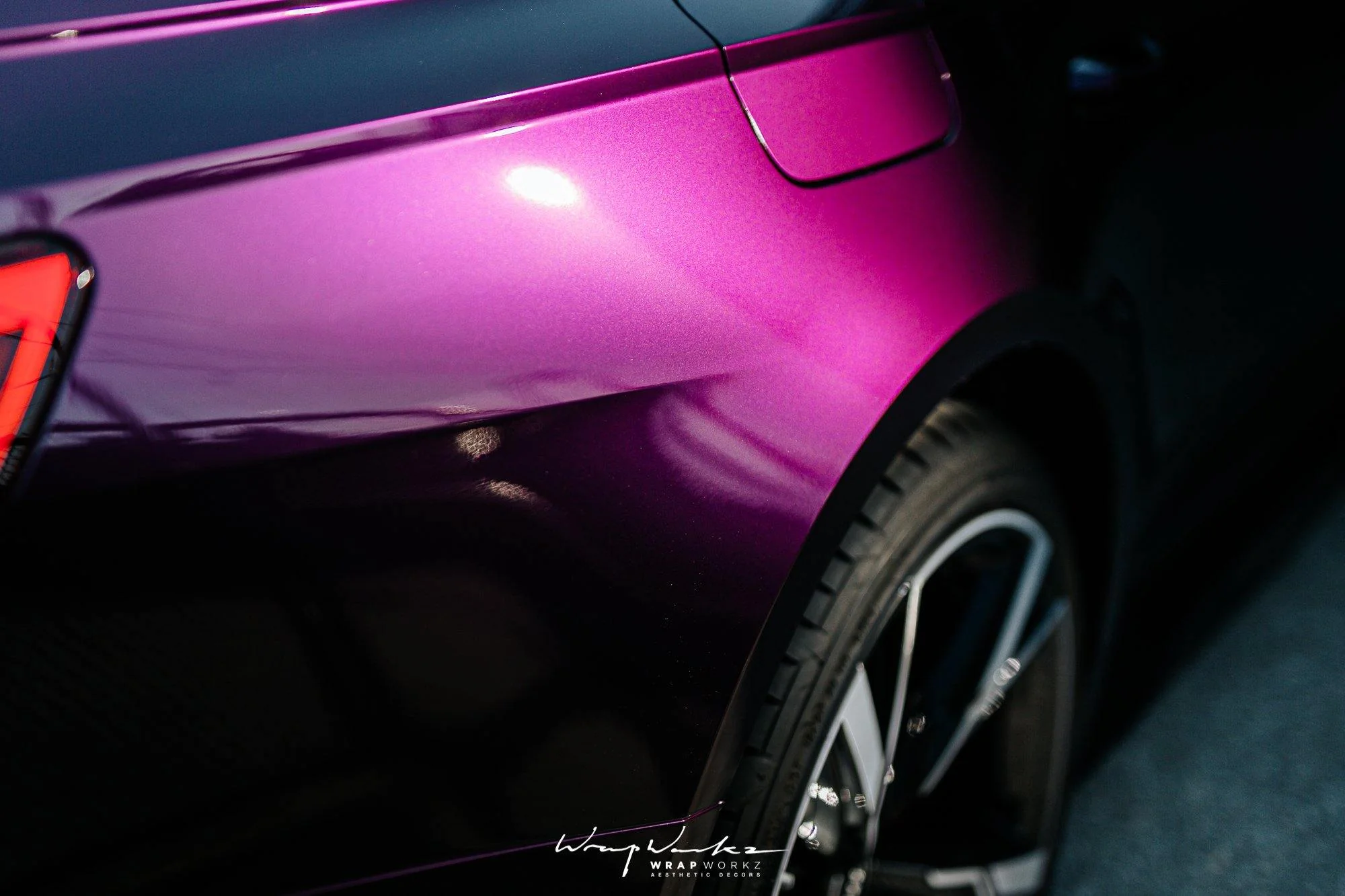
Laser / Metallic
$$$–$$$$Chrome degrades fastest. Colour-shift is the most durable subtype.
- High visual impact
- Best used as accent panels or trim highlights
- Colour-shift is more durable than true chrome
- Chrome scratches easily and very unforgiving on curves
- Stretching is difficult — can crack or lift on complex geometry
- Difficult to apply on recessed/curved areas
Full wraps are possible but uncommon — poor stretch tolerance and cost-to-lifespan ratio.
Calendered Vinyl (PET)
$–$$Fades faster than cast PVC. Dark colours can visibly degrade within a year outdoors.
- Lower cost
- Acceptable for flat panels only
- Shrinks over time — edges lift and peel
- Cracks when stretched over curves
- PET is especially rigid — will crack on any complex geometry
Flat decals and temporary use only.
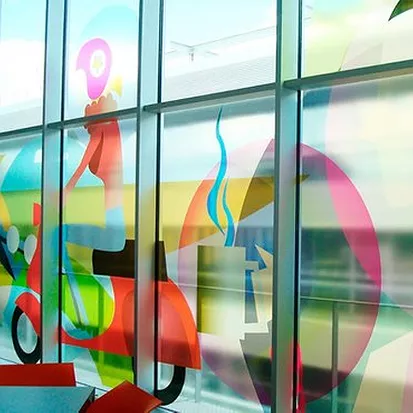
Clear Film Transparent (PVC)
$$No pigment layer — UV passes through freely. Film and adhesive yellowing is the main failure mode.
- Base paint colour shows through and becomes part of the design
- Good for partial effects, tints, and colour-blend sections
- Lacks pigment UV absorbers — shorter lifespan than opaque films
- Yellowing risk with sun exposure
- Design must account for the base paint colour
Best for partial decals on silver or white cars.
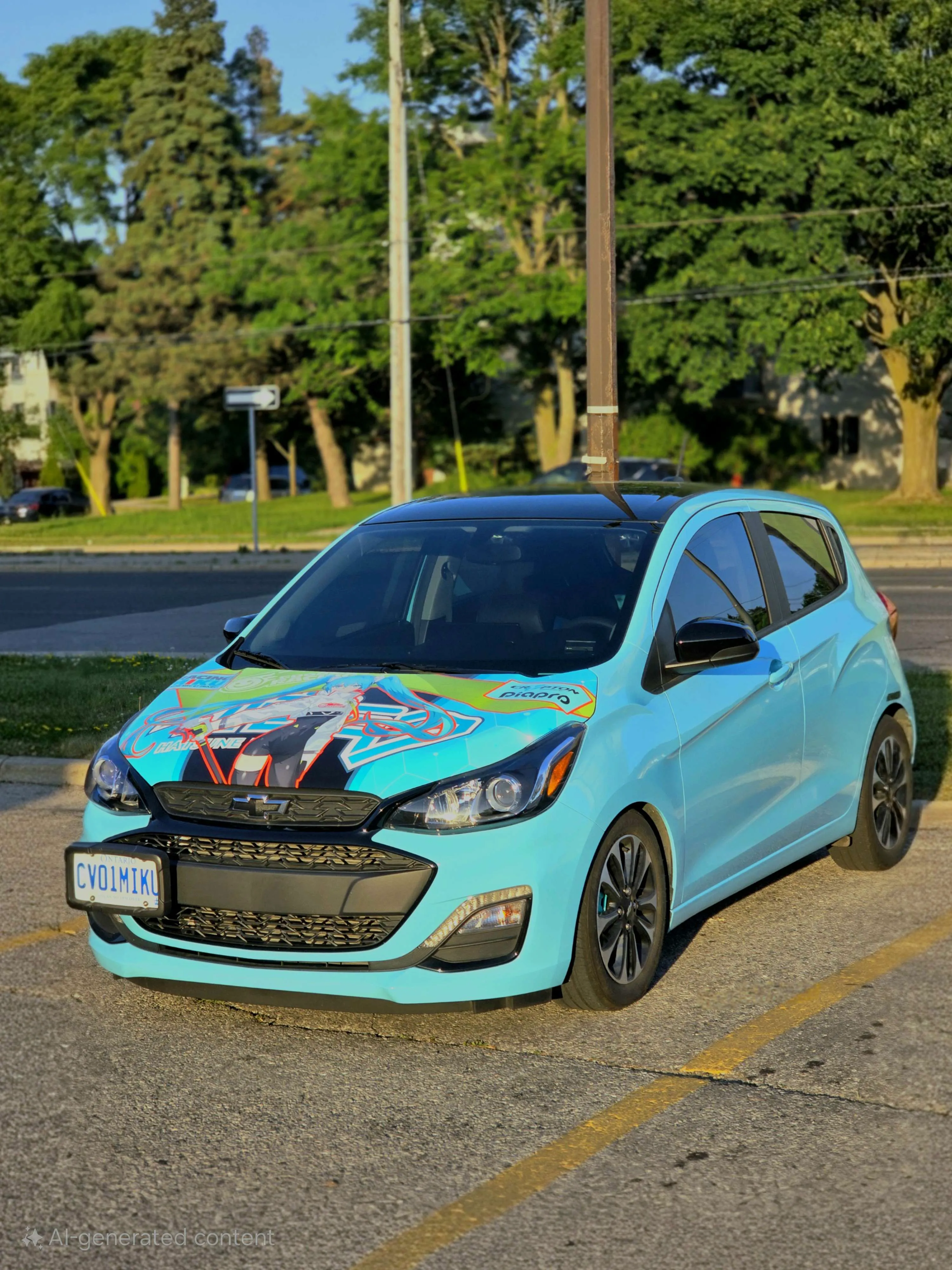
Overlaminate
$$–$$$The primary UV shield for the wrap stack — blocks 95%+ of UV before it reaches the ink or base film.
- Biggest single factor in printed graphic longevity
- Scratch and abrasion resistance
- Controls final surface finish
- Self-healing variants resist light swirl marks
- Adds cost and installation time
- Matte laminates harder to clean
- Extra thickness can complicate edge tucks
Never standalone. Recommended for all printed wraps.